SATELLITE
Tech Seminar.
17 peer-evaluated technical presentations across three days. Each one grounded in a white paper. Built by engineers, for engineers.
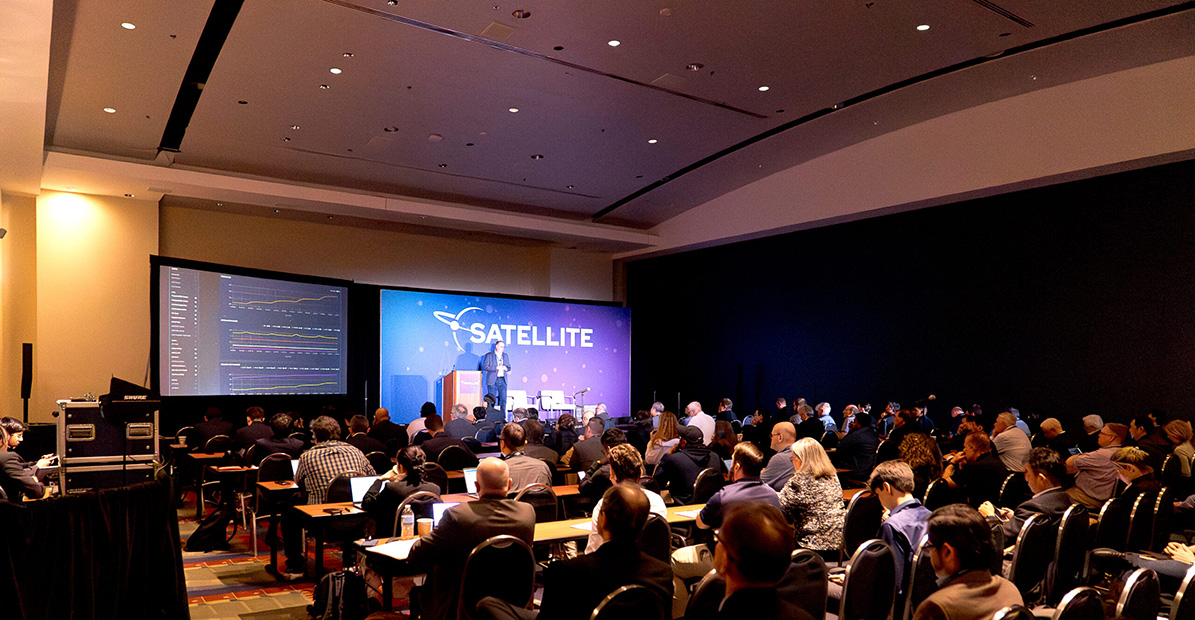
Research-backed from the start.
The SATELLITE Tech Seminar is built around a simple commitment: every presentation begins with the research. Before taking the stage, each speaker submits a technical white paper. That paper is distributed to registered attendees and forms the foundation of everything they present.
In 2027, both the white paper and visual presentation materials are required for all accepted presentations. The white paper must also be made available during the peer-evaluation process, ensuring the program stays grounded in verified technical work from start to finish.
Evaluated by engineers, for engineers.
Every submission is evaluated by a committee of practicing engineers for technical rigor, originality, and implementation relevance. The white paper must be available throughout the review. It is what allows the program to select for depth and hold the standard attendees count on.
Each session is 25 minutes with a minimum five-minute Q&A, long enough to go deep, structured to stay focused. Presented by one or two speakers across three days as part of SATShow Week.
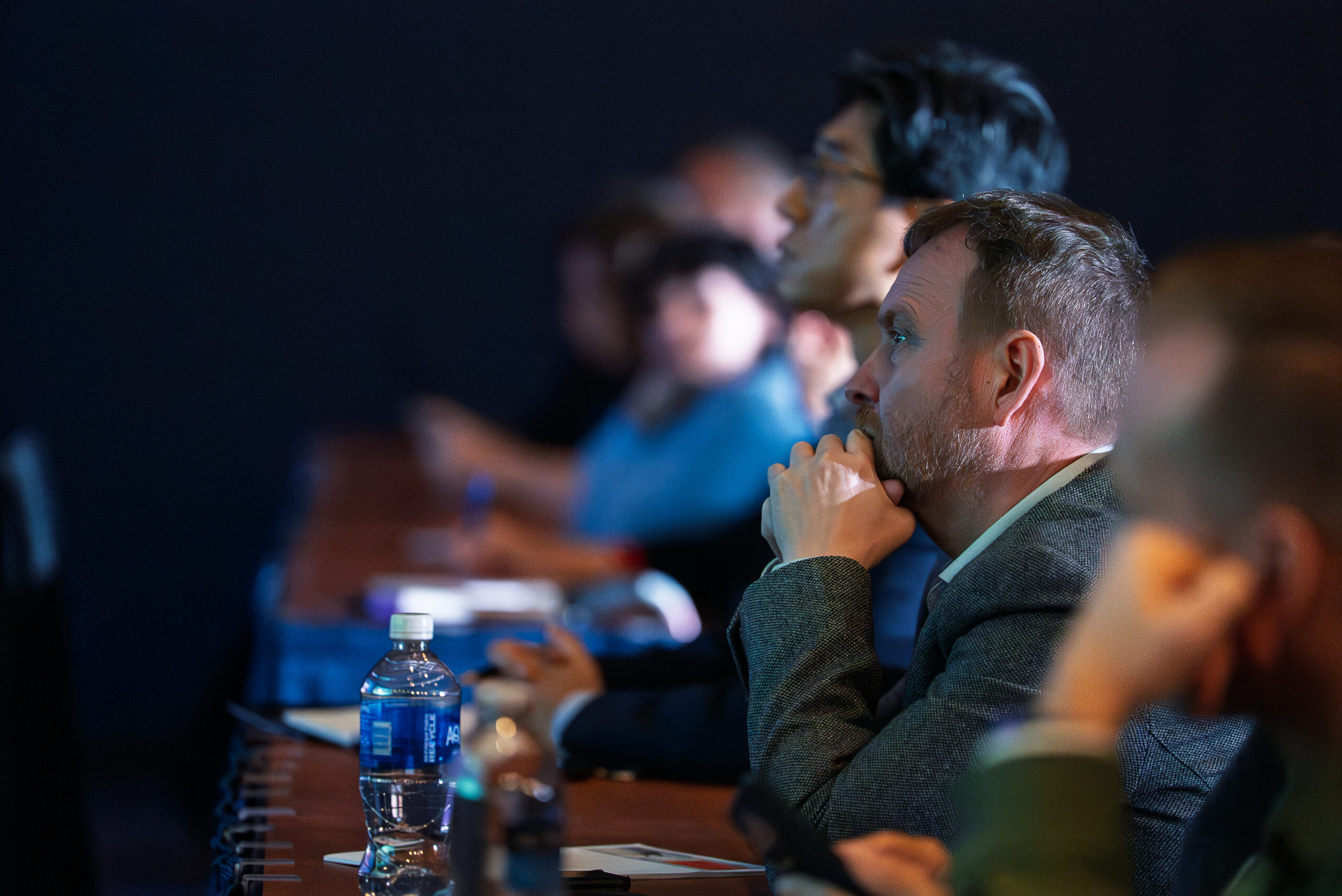
A highly technical program for engineers who want more than a slide deck, with white paper-driven presentations on the systems, architectures, and design decisions shaping next-generation satellite technology.
A sample of last year’s sessions.
The 2027 program is now open for submissions.
Antaris Space
High-fidelity mission simulation lets teams design and test complete spacecraft configurations before hardware is purchased, validating subsystem performance and identifying design gaps long before integration.
HawkEye 360
A look inside the cognitive system driving mission-critical analytics in a congested RF environment, covering training, deployment, and monitoring of edge ML models in a low-SWaP system with limited ground connectivity.
NAL Research
GPS disruption affects more than military operations. This session made the case for integrating a robust secondary APNT strategy and outlined practical steps to ensure operational security and business continuity across sectors.
Pi School (ESA)
Building and deploying a domain-specific open-source LLM for the satellite industry, including a virtual assistant supporting link budget review, anomaly detection, and mission planning tasks.
Commcrete
Lighter, simpler, more mobile SATCOM architectures that enable frontline units to maintain voice, data, and situational awareness without complex deployment in contested or jammed environments.
TTP plc
6G places unprecedented demands on handsets that conventional device architectures cannot reliably meet. This talk argued for a modular, role-based device ecosystem suited to 6G’s actual performance requirements.
PLEXTEK
An examination of mmWave technology in the 30-300 GHz range for space-based applications, including radar’s role in rendezvous, debris detection, and sensor fusion for AI-driven guidance systems.
Amazon Web Services
Practical demonstrations of how AI can reason, plan, and complete tasks in satellite communications, including a multi-agent system for link-budget and capacity planning, and RF interference detection using multi-modal generative AI.
Built for technical professionals.
The Tech Seminar draws the people who build, test, and integrate satellite systems. Engineers who don’t just attend sessions, but push them forward.
Principal, staff, and lead engineers from major satellite operators and manufacturers.
Technical architects designing next-generation satellite systems and ground infrastructure.
Engineering directors and technical managers leading innovation at aerospace companies.
Applied research scientists developing breakthrough technologies for space applications.
Technical sales engineers and solutions architects bridging innovation and implementation.
Technical product managers and general managers overseeing satellite technology development.
Registration and agenda coming soon.
The 2027 call for papers is open. If you have done the work and can back it with a white paper, we want to hear from you.
Claim your place at SATShow Week’s Tech Seminar. Launch rates available now.
Get Closer to the TechnologyExplore rates and conference pass options to shape your SATShow Week experience.
Compare Rates & Pass Types